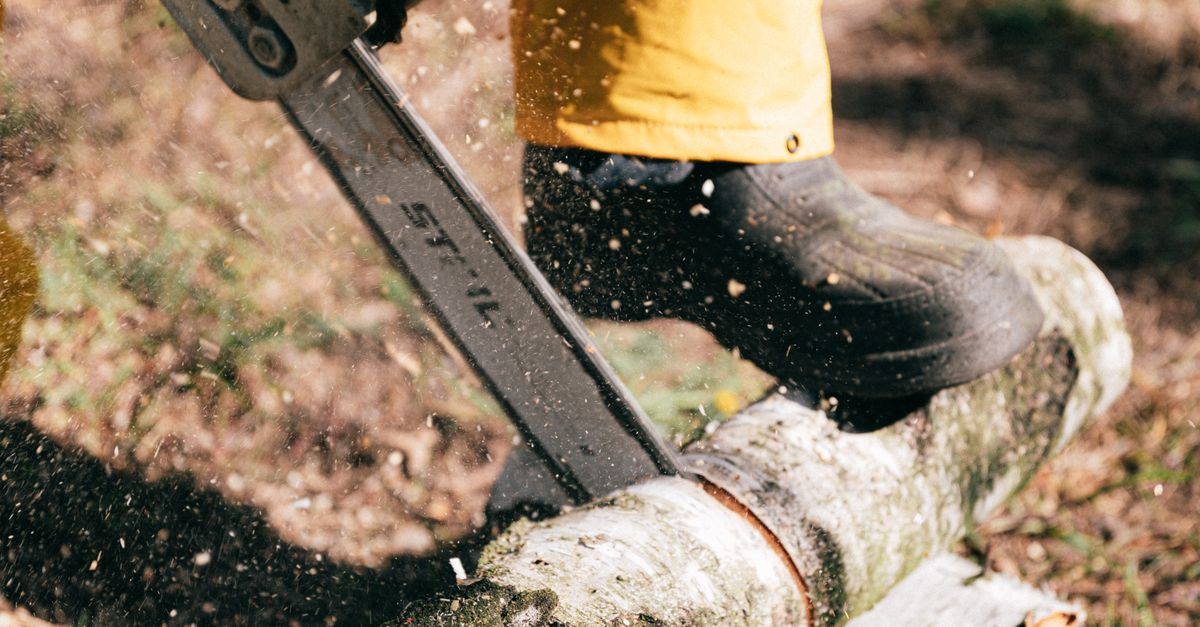
Rapid Response Tree Removal Solutions for Melbourne Businesses
Table Of Contents
Cost Factors in Tree Removal
The price of tree removal services in Melbourne varies significantly based on several factors. The size and location of the tree play crucial roles in determining the overall cost. Larger trees require more equipment and manpower, which naturally elevates expenses. Additionally, whether the tree is in a confined space or requires specialised tools for safe removal can increase the complexity of the job, ultimately affecting the price.
Other important considerations include the type of tree and its condition. Certain species may demand specialised techniques due to their structure or proximity to power lines. Furthermore, if the tree is diseased or damaged, additional steps may be necessary to ensure safe removal, leading to higher costs. Businesses should also factor in potential fees for stump grinding and debris removal.
Breakdown of Pricing and Services Offered
Tree removal services in Melbourne vary significantly based on several factors. These include the tree's size, species, location, and any potential hazards associated with its removal. Larger trees generally incur higher costs due to the increased complexity and equipment required. Additional pricing considerations may stem from the tree's proximity to structures or power lines, necessitating extra precautions and techniques for safe removal.
Services typically offered by tree removal companies encompass not just the removal itself but also stump grinding, debris cleanup, and site restoration. Some businesses provide comprehensive packages that include inspection and consultation to determine the most appropriate approach. Customers seeking environmentally friendly options may find services that emphasise sustainable practices, such as recycling wood and minimising site disruption. Understanding these offerings allows businesses to make informed decisions aligned with their budgets and specific needs.
Environmental Considerations
The impact of tree removal on the local ecosystem requires careful consideration. Trees play a vital role in maintaining biodiversity, providing habitat for various species and contributing to air quality. When planning tree removal, it is essential to consider the surrounding flora and fauna, ensuring that the process does not disrupt existing habitats or lead to increased erosion and flooding risks.
Adopting environmentally responsible practices during tree removal can mitigate negative effects. Employing methods that minimise damage to the surrounding area, such as targeted pruning instead of complete removal, can maintain ecological balance. Additionally, implementing replanting strategies with native species helps restore the green cover and supports local wildlife, thereby enhancing the overall health of the environment.
Sustainable Practices in Tree Removal
The process of tree removal has evolved to include eco-friendly methods that minimise harm to the surrounding environment. Many services focus on reducing waste by recycling tree material. Trunks and branches can be turned into mulch or compost, which nourishes soil for other plants. Techniques such as selective cutting and careful planning help protect the local ecosystem, ensuring that wildlife habitats remain intact.
Incorporating sustainable practices extends beyond the immediate action of removal. Some companies engage in replanting initiatives to balance the trees taken down, thus contributing to biodiversity. They often collaborate with local councils and environmental groups to ensure that the species selected for planting are native and suited to the area. These efforts not only restore green cover but also foster a greater connection between businesses and their communities.
Post-Removal Tree Care
After a tree has been removed, the surrounding area and remaining plants can benefit from careful attention and management. Soil conditions often shift after a tree’s removal, which can affect nearby flora. It's essential to examine the soil for nutrient levels and compaction to promote healthy growth for any existing plants. Adding organic matter can help improve the soil structure and maintain moisture levels.
The remaining trees or landscaping may also require pruning or additional support to ensure they develop correctly in their new environment. Applying mulch around the base of other plants aids in water retention and prevents weed growth, which can further stress the nearby roots. Regular monitoring for pests and diseases can prevent negative impacts on the overall health of the landscape, allowing it to flourish in the long term.
Ensuring Healthy Growth After Removal
After a tree has been removed, assessing the surrounding landscape is essential to ensure healthy growth of remaining plants. Soil health plays a critical role in this process. It may be necessary to introduce organic matter to enrich the soil and support the revitalisation of nearby vegetation. Additionally, monitoring soil moisture levels and adjusting irrigation practices can facilitate recovery in the post-removal environment.
New growth often thrives when given adequate protection from harsh conditions. This may involve implementing protective measures for younger plants. Mulching around the base of remaining trees can retain moisture, prevent weed growth, and enhance soil structure. Regular inspections should be conducted to identify any signs of stress or disease in nearby flora. These steps contribute significantly to fostering a thriving ecosystem after tree removal.
FAQS
What factors influence the cost of tree removal in Melbourne?
The cost of tree removal in Melbourne can be influenced by various factors including the size and type of the tree, its location, accessibility, and any potential hazards involved in the removal process. Additional services such as stump grinding or site cleanup may also affect the overall price.
How can I ensure that the tree removal service I choose is environmentally responsible?
To ensure that your tree removal service is environmentally responsible, look for companies that implement sustainable practices, such as recycling wood waste, using eco-friendly equipment, and following local regulations regarding tree removal and replacement.
What should I do after a tree has been removed from my property?
After a tree has been removed, it's important to focus on post-removal care. This includes assessing the soil condition, considering replanting options, and ensuring proper maintenance for any remaining trees to promote healthy growth.
Are there any regulations in Melbourne regarding tree removal?
Yes, Melbourne has regulations concerning tree removal, especially for protected species or trees located in certain areas. It's crucial to check with local council guidelines and obtain any necessary permits before proceeding with tree removal.
How quickly can I expect a tree removal service to respond to my request?
Response times for tree removal services can vary, but many companies offer rapid response solutions, often providing same-day service for urgent situations, especially during adverse weather conditions or emergencies.
Related Links
Ensuring Business Continuity with Emergency Tree ServicesThe Role of Professional Arborists in Emergency Tree Situations
Preparing Your Business for Tree Emergencies: A Comprehensive Guide
Understanding the Costs Associated with Emergency Tree Services
Case Studies of Successful Emergency Tree Removals in Melbourne
Minimising Liability with Prompt Tree Removal Service