Case Studies of Successful Emergency Tree Removals in Melbourne
Table Of Contents
Safety Measures for Emergency Tree Removal
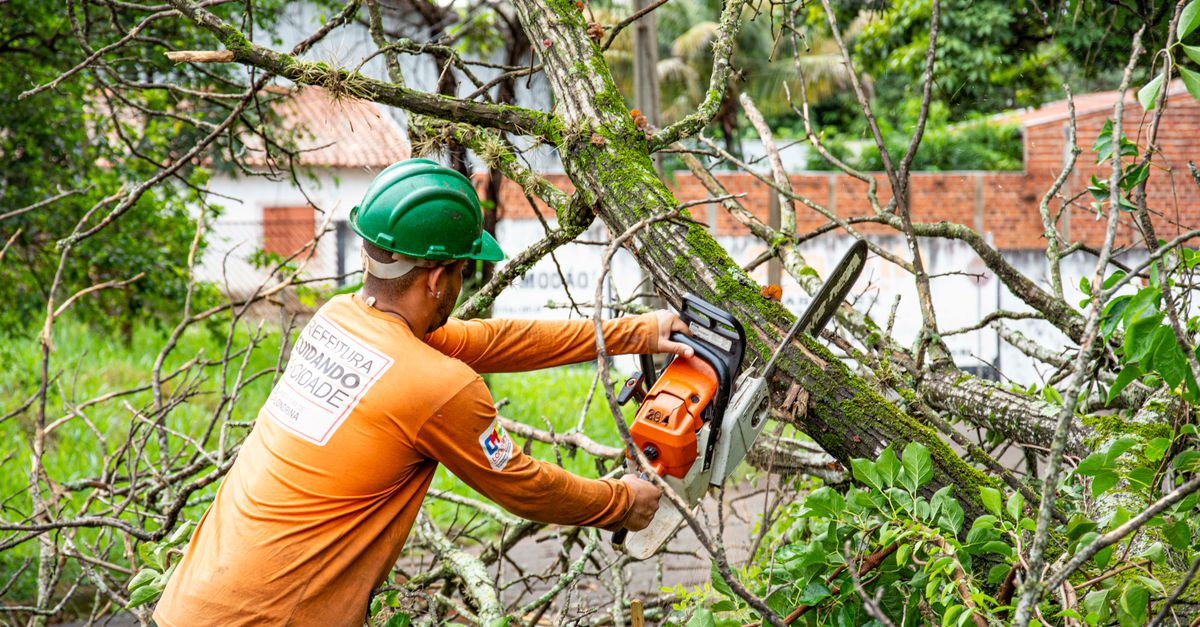
Ensuring the safety of workers and the public is paramount during emergency tree removals. Proper training and experience in handling precarious situations can greatly reduce risks. Workers should utilise personal protective equipment, such as helmets, gloves, and steel-toe boots. Adherence to safety protocols, including risk assessments and the establishment of exclusion zones, helps to control access for bystanders in potentially hazardous areas. Communication is essential, with teams required to coordinate effectively to manage both the removal process and the safety of those nearby.
In addition to individual safety practices, appropriate equipment plays a crucial role in emergency tree removal scenarios. Using specialised tools such as chainsaws, aerial lifts, and rigging gear enhances both efficiency and safety. Regular maintenance checks on equipment ensure reliability during critical operations. Moreover, having first aid kits and trained personnel on-site can provide immediate assistance in case of accidents or injuries. The integration of these measures fosters a safer environment for both workers and the surrounding community during urgent tree removal tasks.
Best Practices for Workers and Bystanders
When conducting emergency tree removals, prioritising safety is essential for all involved. Workers should undergo comprehensive training to identify risks associated with hazardous trees. Using appropriate personal protective equipment, such as hard hats, gloves, and high-visibility clothing, helps to mitigate potential injuries. Additionally, it is imperative for teams to establish clear communication protocols. These protocols ensure that everyone is aware of their roles and the specific hazards present at the site.
Bystanders must be kept at a safe distance during tree removal operations. Establishing a clear boundary around the worksite can prevent accidents and injuries. Signs should be posted to inform the public about the work being carried out and any potential dangers. Effective crowd control by onsite personnel further enhances safety for both workers and members of the community. Measures such as these support a smooth operation while safeguarding all individuals involved.
Impact of Emergency Tree Removals on Local Communities
When a tree poses a danger during an emergency, its removal can significantly enhance the safety of local residents. Neighbours often express relief when they see a problematic tree taken down, especially if it threatens homes or public spaces. The swift action taken to remove hazardous trees can mitigate damage and restore a sense of security within the community. Additionally, these efforts signal a proactive approach by local authorities, fostering trust between residents and governance.
Emergency tree removals also contribute to ongoing discussions about urban forestry and green space management in urban areas like Melbourne. While the immediate benefits focus on safety, such actions can lead to larger dialogues regarding tree canopy loss and environmental sustainability. Communities often engage in conversations about replanting and enhancing green spaces once immediate dangers are mitigated. This can encourage local initiatives aimed at maintaining the balance between urban development and nature, ultimately strengthening community ties and fostering shared responsibility for the environment.
Recovery and Rebuilding Efforts
Emergencies involving fallen trees often disrupt not only the landscape but also community engagement. Residents frequently come together to assess the damage, offering assistance to those most affected. Local councils typically initiate a recovery plan which may include clean-up operations, community forums, and support services. These actions foster a sense of solidarity in the face of adversity while helping individuals rebuild their lives.
As trees are removed and sites are cleared, there often arises an opportunity for urban renewal projects. Authorities may consider replanting initiatives to restore lost greenery and enhance the overall environment. Such efforts encourage biodiversity and improve community aesthetics. Public participation in these initiatives strengthens the bond within neighbourhoods and promotes a proactive approach to future environmental resilience.
Regulatory Considerations
Compliance with local regulations is critical when undertaking emergency tree removal. Various councils in Melbourne have established guidelines that dictate how these removals should be handled, which often includes obtaining permits before any work commences. Some areas may have specific restrictions concerning the types of trees that can be removed or the methods that can be used. Ensuring adherence to these regulations helps safeguard the environment and maintains the community’s landscape integrity.
It is also essential for contractors and tree removal services to stay informed about any changes in legislation. Local governments may introduce new policies in response to community feedback or environmental needs, which could impact ongoing and future tree removal projects. Engaging with authorities to confirm that all necessary permissions are in place not only enhances the safety of the operation but also fosters a cooperative relationship between service providers and local communities.
Permissions and Requirements for Tree Removal
Obtaining the necessary permissions for tree removal in Melbourne is crucial to ensure compliance with local regulations. Different councils may have specific guidelines regarding the types of trees that can be removed, especially those considered significant or protected. Property owners must often apply for a permit before proceeding with removal, which usually requires submitting detailed plans and justifications.
In emergency situations, immediate action may be necessary, yet it is still important to document conditions and reasons for removal. Reporting these incidents to local authorities can prevent potential legal repercussions. Familiarity with the relevant legislation helps tree removal services navigate the regulatory landscape effectively, ensuring that the safety of the public and preservation of the environment remain priorities during such operations.
FAQS
What are emergency tree removals?
Emergency tree removals refer to the urgent removal of trees that pose an immediate risk to safety, property, or infrastructure, often due to damage from storms, disease, or other unforeseen events.
How are safety measures implemented during emergency tree removal?
Safety measures include assessing the site for hazards, wearing appropriate personal protective equipment (PPE), using specialised equipment, and ensuring that bystanders are kept at a safe distance during the removal process.
What are some best practices for workers and bystanders during an emergency tree removal?
Best practices involve clear communication among workers, proper training in tree removal techniques, establishing a secure work zone, and informing bystanders about the risks and necessary precautions.
How do emergency tree removals impact local communities?
Emergency tree removals can help restore safety in affected areas, mitigate further damage to property, and initiate recovery efforts that support community rebuilding and environmental health.
What regulatory considerations should be taken into account for emergency tree removals in Melbourne?
Regulatory considerations include obtaining necessary permits, adhering to local environmental regulations, and following guidelines set forth by local councils to ensure compliance and community safety.
Related Links
Understanding the Costs Associated with Emergency Tree ServicesMinimising Liability with Prompt Tree Removal Service
The Role of Professional Arborists in Emergency Tree Situations
Preparing Your Business for Tree Emergencies: A Comprehensive Guide
How to Choose the Right Emergency Tree Service for Your Business
Effective Strategies for Handling Storm-Damaged Trees in Commercial Settings