Preparing Your Business for Tree Emergencies: A Comprehensive Guide
Table Of Contents
Establishing Contacts with Arborists
Building relationships with local arborists is essential for any business that relies on maintaining healthy trees. A strong network provides immediate access to expertise in tree care and emergency response. Researching and identifying reputable arborists within your area should be a priority. This process often involves checking certifications, qualifications, and customer reviews. Establishing trust through initial consultations can pave the way for effective collaboration when emergencies arise.
Maintaining regular communication with your chosen arborists will enhance your preparedness. This can include scheduling routine inspections and discussing potential risks related to your specific location. Regular check-ins ensure that both parties remain informed about any changes, such as new regulations or environmental factors that may affect tree health. A proactive approach can significantly reduce the likelihood of emergencies and strengthen your business's resilience against unforeseen tree-related incidents.
Choosing the Right Tree Care Professionals
Selecting tree care professionals involves assessing their qualifications and expertise. Look for certifications from recognised organisations, such as Arboriculture Australia, which indicate a commitment to industry standards. Experience matters; professionals with a solid track record in dealing with emergencies demonstrate their ability to manage challenging situations. Customer reviews and recommendations can offer insights into their reliability and service quality.
Additionally, consider the range of services offered by potential tree care specialists. Some may focus solely on tree removal, while others provide comprehensive services, including pruning, health assessments and disease management. It’s essential to ensure that the chosen professionals are fully insured, protecting your business from any liabilities that may arise during their work. Evaluate their response times and availability, especially in emergencies, to ensure they can meet your needs promptly.
Equipment and Supplies for Tree Emergencies
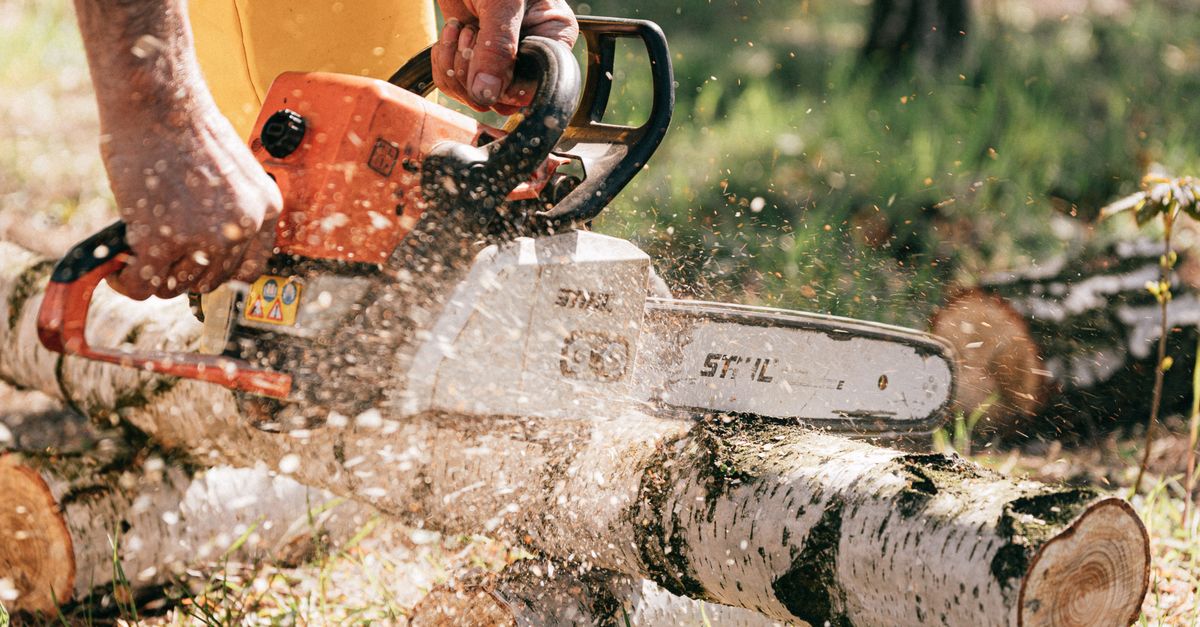
In preparation for tree emergencies, having the appropriate equipment and supplies is vital to ensure safety and efficiency. Personal protective equipment such as helmets, gloves, and goggles should always be on hand. Chainsaws, ropes, and ladders are also critical tools for addressing fallen trees or branches that may obstruct pathways or damage property. Ensuring all equipment is well-maintained will enhance performance and reduce the risk of accidents during urgent situations.
Additionally, it is essential to stock up on first aid kits and emergency response supplies. Storing tarps, such as heavy-duty plastic sheets, can help manage and contain debris effectively. Consider having portable generators available to maintain power in case of outages caused by tree-related incidents. A clear inventory of all equipment and supplies facilitates quick access during emergencies and helps streamline the response process.
Must-Have Tools and Resources
A well-prepared business should invest in a variety of tools and resources that can be invaluable during tree emergencies. Essential equipment includes a reliable chainsaw, portable first aid kits, and sturdy ropes for securing fallen branches. It is also sensible to keep safety gear on hand, such as helmets, gloves, and eye protection to ensure the well-being of all personnel involved in emergency response efforts. Having these tools readily available enables swift action, reducing potential damage and risks to safety.
In addition to physical tools, businesses should consider incorporating technology into their emergency preparedness plan. Mobile apps that provide information on local arborists can be beneficial when you need professional assistance quickly. Furthermore, access to online resources detailing safe practices for tree removal and management can enhance your team's effectiveness during a crisis. Staying informed through training sessions and workshops can also help ensure that employees are equipped with current knowledge on tree emergencies, further bolstering your business’s readiness.
Insurance Considerations
Having the right insurance coverage is crucial for businesses that deal with trees. Different types of incidents can lead to significant financial loss. Liability insurance can protect against damages resulting from fallen branches or trees on customers' property. It covers both legal fees and any compensation owed. Property insurance may also provide coverage for damages to your equipment caused by tree-related emergencies. Ensuring you understand the specifics of your policy will safeguard your business in unforeseen circumstances.
Reviewing your policy regularly is essential as your business evolves and outdoor conditions change. Assessing whether you need additional coverage for specific risks associated with tree care can be beneficial. Some policies include provisions for storm damage, while others might require endorsements for certain types of tree work. Consult with your insurance advisor to tailor your coverage appropriately. This proactive approach ensures you remain protected against the financial fallout of tree emergencies, allowing your business to recover swiftly.
Types of Coverage for Tree-Related Incidents
When preparing your business for tree-related emergencies, understanding the various types of insurance coverage available is essential. Property insurance often covers damages caused by falling trees on your business premises. This coverage typically includes repairs to the building and replacement of damaged property, ensuring that you’re financially safeguarded against unexpected tree incidents.
Liability insurance is another crucial coverage to consider, particularly if trees on your property pose a threat to neighbouring properties or public areas. This type of insurance protects your business from claims arising from damages or injuries caused by your trees. Assessing the specific risks associated with your location and vegetation will help determine the level of coverage necessary to provide adequate protection for both your business and its surrounding environment.
FAQS
Why is it important to establish contacts with arborists for my business?
Establishing contacts with arborists ensures you have immediate access to tree care professionals who can respond quickly during emergencies, helping to minimise damage and maintain safety.
How do I choose the right tree care professionals for my business?
Look for certified arborists with experience, positive reviews, appropriate insurance, and a clear understanding of local tree species and regulations to ensure expertise and reliability.
What equipment should I have on hand for tree emergencies?
Essential equipment includes chainsaws, ropes, first aid kits, safety gear, and communication devices to effectively manage emergencies and maintain safety during tree-related incidents.
What types of insurance should my business have for tree-related incidents?
Consider general liability insurance, property insurance, and specific tree care liability coverage to protect your business against potential damages, injuries, or loss related to tree emergencies.
How can I prepare my business for potential tree emergencies?
Create an emergency plan outlining procedures, establish contacts with tree care professionals, ensure you have the necessary equipment, and review your insurance coverage regularly to stay prepared.
Related Links
The Role of Professional Arborists in Emergency Tree SituationsUnderstanding the Costs Associated with Emergency Tree Services
Case Studies of Successful Emergency Tree Removals in Melbourne
Minimising Liability with Prompt Tree Removal Service
How to Choose the Right Emergency Tree Service for Your Business
Effective Strategies for Handling Storm-Damaged Trees in Commercial Settings
Safety Protocols for Emergency Tree Removal in Urban Areas