The Role of Arborists in Construction-Related Tree Removal
Table Of Contents
Techniques Used by Arborists
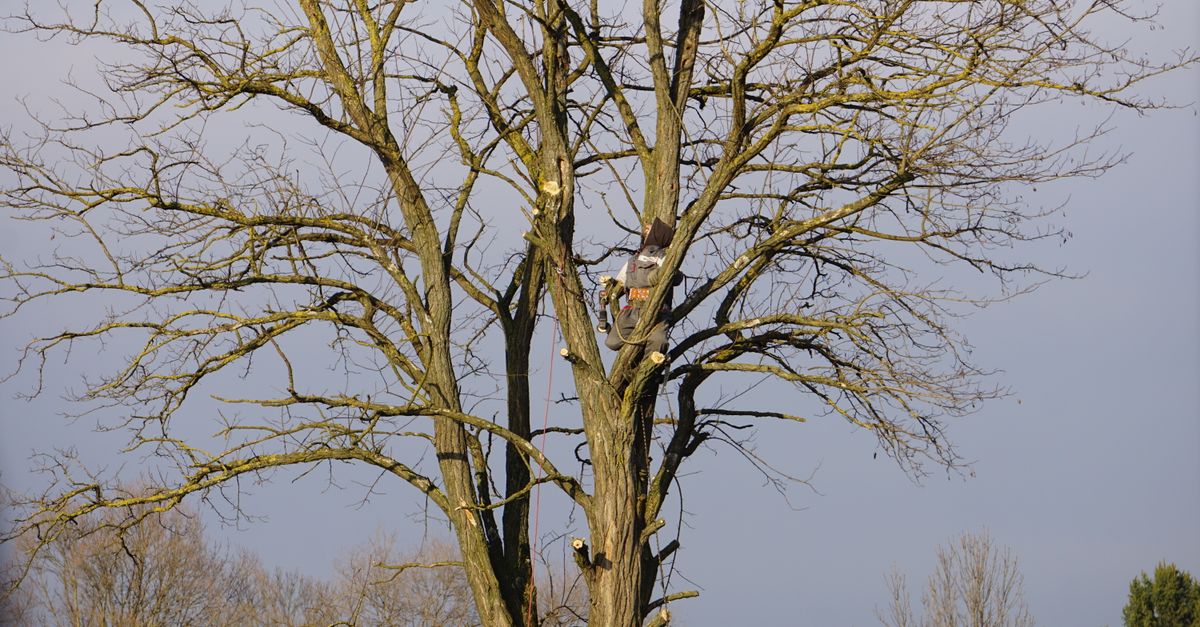
Arborists employ a range of techniques to ensure the safe and effective removal of trees during construction projects. Chainsaws are one of the primary tools used, allowing for precise cuts that facilitate the controlled falling of trees. Rigging equipment, including ropes and pulleys, is often utilised to lower larger limbs or sections of the tree, minimising the risk of damage to surrounding structures. This combination of tools and methods enables professionals to manage the complex dynamics involved in tree removal, especially in crowded urban environments.
In addition to these mechanical techniques, arborists also assess factors such as tree species, health, and location before commencing removal. Understanding these elements allows for the development of a tailored approach that prioritises safety and efficiency. Ground personnel often play a critical role in the process, coordinating movements and providing support to ensure a streamlined operation. This attention to detail contributes significantly to minimising potential hazards during tree removal, reinforcing the importance of trained professionals in such endeavours.
Safe and Efficient Tree Removal Methods
Arborists employ a variety of techniques to ensure tree removal is conducted safely and efficiently. Heavy machinery, such as cranes and chippers, often play a crucial role in the process. These tools allow for the removal of large trees without endangering nearby structures or individuals. Skilled arborists assess each tree's condition and surrounding environment to determine the best approach, considering factors like the tree’s health, location, and potential hazards.
Rigorous planning is essential for successful tree removal. Arborists often create a detailed plan where they map out the tree’s position and establish a safe zone to protect nearby assets. When executing the removal, they may use a technique known as directional felling, guiding the tree to fall in a predetermined area. This method minimises risks and maximises safety for both the crew and the surrounding area. Each step is carefully coordinated, ensuring minimal disruption and maintaining the integrity of the construction site.
Environmental Impact of Tree Removal
The removal of trees during construction can have profound environmental consequences. It disrupts local ecosystems, displacing wildlife and altering habitats. Soil erosion may increase as root systems that once stabilised the ground are removed, leading to sediment runoff into nearby waterways. Furthermore, the loss of trees affects air quality and carbon sequestration, contributing to climate change concerns. Local flora may also be impacted, as native species struggle to survive without their arboreal counterparts.
Mitigating these effects is crucial to preserving the ecological balance. Arborists play a vital role in assessing the environmental implications of tree removal and implementing strategies to minimise harm. They can recommend selective cutting techniques, ensuring only necessary trees are removed while protecting adjacent vegetation. Additionally, promoting biodiversity through careful replanting and choosing native species for replacement can help restore the environment and maintain its resilience.
Mitigating Damage to Surrounding Ecosystems
Arborists take great care to assess the surrounding ecosystem before initiating tree removal. They evaluate the existing flora and fauna to understand potential impacts on biodiversity. This assessment informs their strategies to minimise disruptions. Collaborating with environmental specialists can lead to improved outcomes, ensuring that native species are protected and habitats are preserved.
Implementing protective measures is crucial during the removal process. Techniques such as selective cutting and the use of specialised equipment can reduce collateral damage to nearby plants and wildlife. Arborists also often create buffer zones around sensitive areas. These efforts not only safeguard existing ecosystems but also promote resilience in the face of construction activities.
Replanting and Mitigation Strategies
Replanting after tree removal is crucial in maintaining the ecological balance of an area. Carefully selecting replacement species that are suitable for the local climate and soil conditions ensures a higher survival rate. Native trees often provide the best option, as they support local wildlife and are adapted to the environment. Arborists play a key role in advising on the right species to plant, ensuring that the new trees contribute to the biodiversity of the ecosystem.
Mitigation strategies must consider the timing of planting to align with seasonal conditions. Providing adequate care during the initial growth phase helps establish strong root systems. Additionally, implementing protective measures can enhance the survival of young trees. Techniques such as mulching and proper irrigation are essential to nurture plants as they grow. Continuous monitoring of the replanted areas can help identify any issues early, ensuring that the new trees flourish and thrive in their new environment.
Choosing the Right Trees for Replacement
Selecting appropriate replacement trees is crucial to ensure ecological compatibility and sustainability. Local native species often provide the best options since they have adapted to the regional climate, soil conditions, and existing wildlife. Such trees typically require less maintenance and support native fauna by offering food and habitat. Additionally, considering the mature size and growth habits can prevent future conflicts with structures and utilities, leading to a healthier urban landscape.
Diversifying the selection by incorporating a variety of species can enhance resilience against pests and diseases while promoting biodiversity. This approach not only helps in reducing the risk of widespread tree loss but also enriches the aesthetic value of the area. It's important to evaluate factors such as growth rate, drought tolerance, and potential for fruit or flower production, ensuring that the chosen trees align well with the specific environmental goals of the site. Expert guidance may be necessary to make informed decisions that serve both the immediate and long-term needs of the community.
FAQS
What is the primary role of an arborist in tree removal during construction?
The primary role of an arborist in tree removal during construction is to assess the health and stability of trees, determine which trees can be safely removed, and implement safe and efficient removal techniques while ensuring minimal impact on the surrounding environment.
What techniques do arborists use for safe tree removal?
Arborists employ various techniques such as rigging, climbing, and the use of specialised equipment to safely remove trees. They assess factors like tree height, proximity to structures, and wind conditions to determine the best approach for each individual tree.
How does tree removal impact the environment?
Tree removal can significantly impact the environment by disrupting local ecosystems, affecting wildlife habitats, and increasing soil erosion. Arborists work to minimise these impacts by carefully planning tree removals and considering the ecological balance of the area.
What strategies do arborists use to mitigate damage to surrounding ecosystems during tree removal?
Arborists mitigate damage by using precise removal techniques, limiting the area of disturbance, and implementing protective measures for nearby trees and plants. They may also conduct pre-removal assessments to identify and protect sensitive habitats.
Why is replanting important after tree removal, and how do arborists choose replacement trees?
Replanting is crucial for restoring ecological balance and providing habitat for wildlife after tree removal. Arborists choose replacement trees based on factors such as native species compatibility, growth requirements, and the specific environmental conditions of the site to ensure successful establishment and long-term sustainability.
Related Links
Case Studies on Effective Tree Removal for Large Scale ProjectsPlanning Your Construction Project: Tree Removal Essentials
Equipment and Techniques Used in Construction Tree Removal
Safety Protocols for Tree Removal in Construction Environments
Timing Considerations for Tree Removal Prior to Construction
Essential Considerations When Removing Trees for New Infrastructure
Strategies for Minimising Environmental Impact During Tree Removal
Regulations Surrounding Tree Removal for Building Developments