Essential Considerations When Removing Trees for New Infrastructure
Table Of Contents
Choosing the Right Time for Tree Removal
The timing of tree removal plays a crucial role in ensuring both the health of the environment and the success of the infrastructure project. Seasonal changes can significantly affect tree physiology. For example, late winter or early spring, when trees are still dormant, presents a prime opportunity for removal. This period minimizes stress on the tree and also reduces the likelihood of insect infestations or disease spread, which can occur if trees are removed during warmer seasons when they are actively growing.
Additionally, weather conditions must be considered when planning tree removal. Wet or windy weather can create hazardous working conditions, increasing risks for workers and nearby structures. It is often advisable to avoid periods of heavy rain or storms as saturated ground conditions can lead to equipment complications and potential accidents. A careful assessment of the weather forecast and environmental factors ensures a safer and more efficient removal process.
Seasonal Considerations and Weather Impacts
Understanding seasonal variations can significantly influence the timing of tree removal. Winter is often considered the most favourable period, as trees are dormant and easier to manage. The ground may also be firmer due to frost, reducing the risk of damage to surrounding vegetation and soil compression. However, this season also presents challenges, including potential icy conditions that can affect access and safety.
Rainfall can drastically alter conditions, making it essential to monitor weather forecasts closely. Wet weather can soften the soil and create unstable conditions, leading to increased risks during removal. The presence of heavy rain or storms can further complicate the situation, posing hazards not only for the crew but also for nearby structures and passers-by. Proper planning should incorporate these elements to ensure that tree removal occurs under the safest and most suitable atmospheric conditions.
Methods of Tree Removal
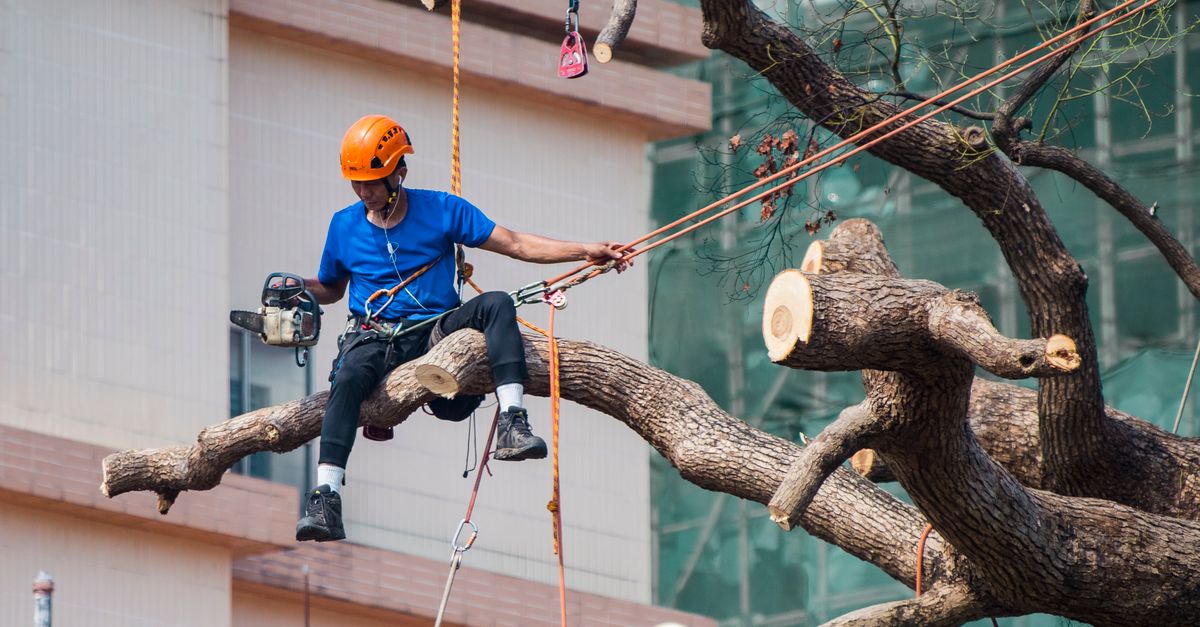
Various techniques exist for removing trees, each suited for different environments and situations. Felling, which involves cutting a tree down in a single motion, is most effective in open areas where there are no obstructions. Alternatively, the climbing method allows for more precision, particularly in urban settings where trees are surrounded by structures. This technique involves skilled workers climbing the tree to dismantle it piece by piece, minimising potential damage to nearby properties.
Equipment used in tree removal varies considerably based on the chosen method. Chainsaws are an essential tool for felling, as they provide the power needed to cut through thick trunks efficiently. For the climbing method, arborists often use ropes, harnesses, and rigging systems to safely lower limbs as they detach them from the tree. Understanding the strengths and limitations of each technique ensures that the tree removal process is executed effectively and safely, tailored to the specific conditions of the site.
Comparing Techniques and Equipment
Tree removal requires careful consideration of techniques and equipment to ensure efficiency and safety. Common methods include manual cutting, mechanical tree removal, and even chemical treatments. Manual cutting often involves the use of chainsaws and axes, suitable for smaller trees or those in tight spaces. Mechanical methods, such as tree harvesters and stump grinders, provide efficiency in clearing larger areas while minimising labour costs. Chemical treatment can be effective for controlling unwanted trees without immediate removal, but it typically needs to be employed in conjunction with other techniques.
Selecting the right equipment is just as crucial as the methodologies used. Chainsaws, while versatile, require regular maintenance to ensure safety. Hydraulic systems are popular for their power and speed, especially in professional settings. The choice of equipment can impact the speed and effectiveness of the operation. Additionally, it's important to evaluate the environmental impact of the chosen methods. Sustainable practices are becoming increasingly vital in urban planning, making it necessary to balance efficiency with ecological responsibility when undertaking tree removal for new infrastructure projects.
Safety Protocols During Tree Removal
Tree removal poses inherent risks that require strict adherence to safety protocols. Workers should don appropriate personal protective equipment (PPE), including helmets, gloves, and protective eyewear. Establishing a safety perimeter around the worksite is crucial to protect the public from falling debris. This includes using barricades and signage to alert bystanders of the ongoing operation. Communication among the crew must be clear and consistent to ensure that all team members are aware of their responsibilities and the surrounding environment.
Proper training is essential for all personnel involved in tree removal. Workers must be proficient in the use of equipment such as chainsaws, ropes, and rigging systems. Regular safety drills can reinforce best practices and prepare the team for unexpected challenges. In addition, having a first aid kit readily available and ensuring at least one team member is trained in first aid adds an extra layer of security. These measures significantly reduce the likelihood of accidents and promote a safe working atmosphere during tree removal projects.
Ensuring Worker and Public Safety
Safety is of paramount importance during tree removal operations. Workers should always wear appropriate personal protective equipment (PPE), including hard hats, safety glasses, and gloves. Training is essential for all personnel involved; ensuring they understand the risks associated with their tasks can help prevent accidents. Adherence to safety protocols, including clear communication among team members, significantly reduces the chances of injury.
Public safety must also be a top priority during the removal process. Establishing a cordoned-off area around the work site can protect pedestrians and nearby residents from falling debris. Appropriate signage and barriers should be in place to direct foot traffic safely away from the area. Engaging with the local community prior to the operation can provide transparency, allowing residents to be informed and prepared for any disruptions.
FAQS
Why is it important to choose the right time for tree removal?
Choosing the right time for tree removal is crucial to minimise stress on the surrounding ecosystem, ensure safer removal processes, and comply with local regulations that may restrict removal during certain seasons.
What seasonal considerations should I keep in mind when planning tree removal?
Seasonal considerations include factors like tree dormancy, potential weather impacts such as storms, and the presence of wildlife during breeding seasons. Removing trees during dormant periods can reduce stress on the tree and surrounding flora.
What are the common methods of tree removal?
Common methods of tree removal include felling, climbing and rigging, and using cranes or other heavy machinery. The choice of method depends on factors like tree size, location, and safety requirements.
How do I compare the techniques and equipment for tree removal?
Comparing techniques and equipment involves assessing factors such as the tree's size and location, the risks involved, the efficiency of each method, and the costs associated with using specific equipment.
What safety protocols should be followed during tree removal?
Safety protocols during tree removal include conducting risk assessments, using proper personal protective equipment (PPE), securing the work area, and ensuring communication among workers to prevent accidents and injuries.
Related Links
Planning Your Construction Project: Tree Removal EssentialsStrategies for Minimising Environmental Impact During Tree Removal
Equipment and Techniques Used in Construction Tree Removal
Safety Protocols for Tree Removal in Construction Environments
Timing Considerations for Tree Removal Prior to Construction
Case Studies on Effective Tree Removal for Large Scale Projects
The Role of Arborists in Construction-Related Tree Removal