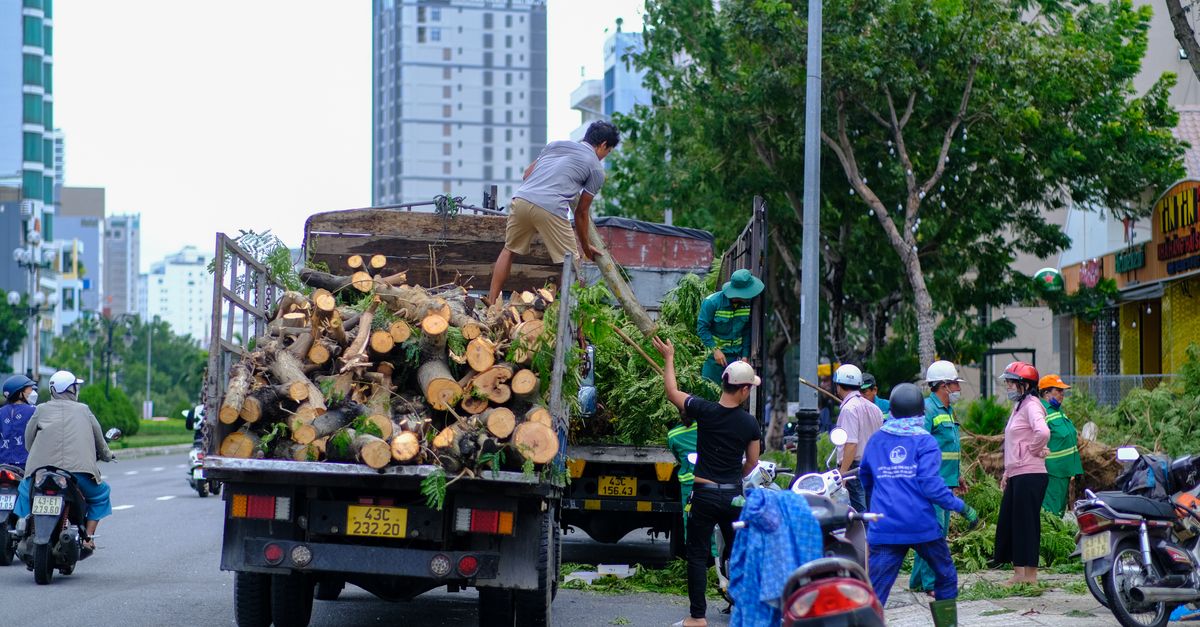
How Tree Removal Affects Urban Wildlife Habitats
Table Of Contents
Changes in Soil and Water Quality
The removal of trees can significantly alter the soil structure and its nutrient content. Without the root systems of trees, the soil often becomes more susceptible to erosion, leading to a decrease in its ability to retain moisture. This disruption can result in poorer soil quality over time, making it less capable of supporting various forms of vegetation. Additionally, the absence of trees may diminish organic matter inputs, further affecting nutrient cycling and soil fertility.
Water quality can also be compromised when trees are removed from urban environments. Trees play a crucial role in filtering rainwater and reducing runoff by allowing water to infiltrate the ground. In their absence, increased sedimentation and pollutants can enter local waterways. These changes can negatively impact aquatic ecosystems, harming fish populations and other wildlife that rely on clean water sources for their survival.
The Ripple Effect on Urban Wildlife
The removal of trees in urban areas disrupts habitats for various species. Loss of foliage means fewer nesting sites and food sources for birds and small mammals. Native flora, often replaced by non-native plants, can lead to a decrease in local biodiversity. Urban wildlife that relies on trees for shelter faces increased vulnerability to predators and habitat loss. With fewer resources available, populations can decline, altering the ecosystem balance.
Fragmented habitats lead to increased competition among remaining species. As some animals migrate to find suitable habitats, they may struggle to adapt to new environments, which can result in decreased survival rates. Invasive species may thrive in the absence of native trees, further complicating the ecological landscape. This shift creates a ripple effect that extends beyond immediate wildlife populations, potentially impacting human experiences in urban settings, such as reduced natural beauty and increased pest populations.
Mitigating the Impact of Tree Removal
Urban planners and developers can adopt strategies to reduce the adverse effects of tree removal on wildlife habitats. Preserving existing green spaces during development projects can remain a priority. When removal is necessary, incorporating native plants into landscaping can help to support local wildlife by providing essential food and shelter. Creating wildlife corridors or stepping stones through urban areas can facilitate movement and access to resources, allowing species to thrive even amid urbanisation.
Engaging local communities in reforestation projects can also play a vital role. Educating residents about the importance of trees for wildlife promotes a greater appreciation for urban green spaces. Planting new trees alongside existing ones can mitigate habitat loss and maintain ecological balance. Additionally, collaboration with environmental organisations ensures that the right species are chosen, considering the specific needs of local fauna. These combined efforts can significantly lessen the negative impacts of tree removal on urban ecosystems.
Strategies for Wildlife-Friendly Urban Planning
Incorporating wildlife-friendly measures into urban planning involves creating green corridors that connect fragmented habitats. These corridors can be established through parks, gardens, and green roofs. Integrating native plant species into landscaping can provide essential food and shelter for local fauna. Additionally, employing permeable surfaces for walkways and roads promotes better water drainage and supports soil health, which benefits the ecosystem.
Another effective strategy is the implementation of wildlife-friendly infrastructure. Designing buildings with wildlife considerations, such as bird-safe glass and bat roosting spaces, helps mitigate habitat loss. Local governments can also adopt policies that mandate tree preservation and replanting during development projects. Educating citizens on the importance of urban biodiversity fosters community support for preserving and enhancing habitats for wildlife.
Case Studies of Tree Removal
Various cities have implemented tree removal strategies, leading to significant shifts in local wildlife populations. In Sydney, a comprehensive study revealed that the removal of mature street trees had a direct impact on the availability of nesting sites for native birds. Once bustling with activity, these areas saw a decline in species diversity, as many birds were forced to relocate to greener suburbs, which could not always accommodate their needs. The study highlighted a clear connection between reduced tree canopy cover and declining bird populations, emphasising the importance of maintaining urban trees.
Similarly, Melbourne's urban planning led to tree removals to facilitate infrastructure projects. The aftermath was marked by a noticeable decrease in insect populations, crucial for the survival of many birds and bats. Research conducted in the area demonstrated that this decline had a cascading effect throughout the ecosystem, resulting in reduced foraging opportunities for urban wildlife. These case studies underscore the intricate relationship between trees and urban wildlife, revealing the far-reaching consequences of decisions made regarding tree management.
Analyzing Wildlife Responses in Various Cities
Cities vary significantly in their responses to tree removal based on numerous factors, including the specific urban ecology and resident wildlife species. In Melbourne, for example, certain bird populations have declined sharply after large-scale tree removal. Studies conducted post-clearance indicate that species like the Rainbow Lorikeet have adapted somewhat by seeking out urban gardens; however, others, such as the Powerful Owl, face increased challenges due to the loss of nesting sites.
In contrast, cities like Sydney have implemented urban canopy plans that aim to offset the negative impacts of tree removal. Analysis shows that while some wildlife struggles initially, the introduction of more diverse tree species allows for gradual recovery. Local initiatives to create wildlife corridors have also shown promise, helping animals navigate between green spaces. Different strategies across urban areas highlight the complex dynamics and tailored approaches required to support surviving wildlife amidst changing environments.
FAQS
How does tree removal impact soil quality in urban areas?
Tree removal can lead to soil erosion, reduced nutrient levels, and changes in pH, which can negatively affect the habitat for various organisms that rely on healthy soil.
What water quality changes occur after trees are removed?
The removal of trees can disrupt the natural filtration systems of urban waterways, leading to increased runoff, sedimentation, and potential contamination, which can harm aquatic wildlife.
How does tree removal affect urban wildlife populations?
The removal of trees can fragment habitats, reduce food sources, and disrupt breeding grounds, leading to declines in urban wildlife populations and altered species distributions.
What strategies can be employed to mitigate the impact of tree removal on wildlife?
Implementing wildlife corridors, preserving existing green spaces, and incorporating native vegetation in urban planning are effective strategies to mitigate the impact of tree removal on wildlife.
Are there successful examples of wildlife-friendly urban planning?
Yes, cities like Melbourne and Brisbane have adopted innovative urban planning strategies that integrate green spaces and wildlife corridors, showing positive outcomes for urban wildlife in response to tree removal.
Related Links
Assessing Carbon Footprint Changes Due to Tree LossEvaluating the Ecological Consequences of Tree Removal in Melbourne
Legal Regulations Governing Tree Removal and Environmental Sustainability
Community Health Implications of Tree Removal in Urban Areas
Exploring the Relationship Between Tree Canopy and Stormwater Management
The Impact of Tree Removal on Local Temperature Regulation
Understanding Melbourne's Urban Forest and Its Diminishing Trees
The Role of Trees in Melbourne's Air Quality Management
Mitigating Soil Erosion Through Tree Preservation Efforts