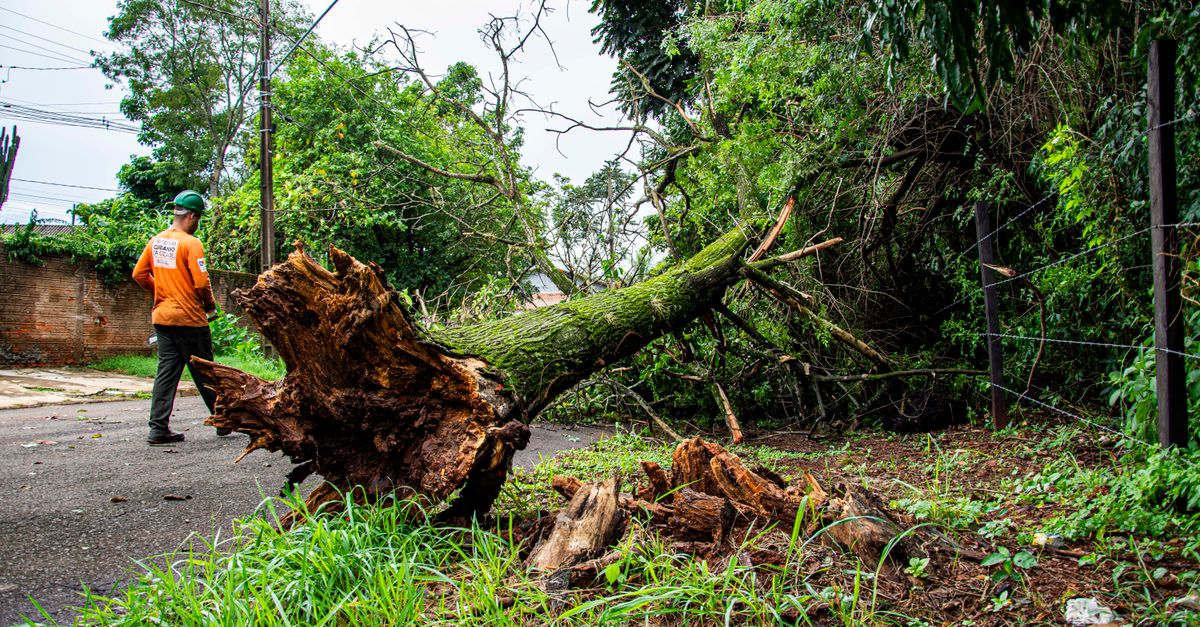
Evaluating the Ecological Consequences of Tree Removal in Melbourne
Table Of Contents
Melbourne’s Wildlife and Tree Removal
The diverse ecosystems within Melbourne play a crucial role in supporting various wildlife species. Urban environments, characterised by increasing development and infrastructure, pose significant challenges to these habitats. Trees provide essential resources for many native animals, from shelter to food sources. Their removal disrupts these ecosystems, often leading to declines in local populations of birds, insects, and small mammals that depend on the arboreal environment for survival.
As trees vanish, the intricate balance within the urban ecosystem becomes increasingly fragile. The loss of canopy cover not only affects wildlife but also contributes to changes in microclimates and increases urban heat. Insects and birds, which rely on trees for breeding and foraging, are particularly vulnerable. The implications of tree removal ripple through the food web, impacting species that rely on these creatures for sustenance. The interconnectedness of the region's flora and fauna emphasises the importance of trees as integral components of Melbourne’s ecological health.
Habitat Loss for Native Species
In urban areas like Melbourne, tree removal significantly impacts local ecosystems. Many native species depend on trees for shelter, food, and breeding sites. The loss of these crucial habitats leads to a decline in biodiversity. Birds, mammals, and insects that rely on specific tree species may find it increasingly challenging to survive as their environments change.
The fragmentation of habitats further exacerbates the situation. Isolated patches of vegetation can prevent wildlife from migrating or finding mates, hindering genetic diversity. Species such as the Leadbeater's Possum and the Greater Glider face elevated risks as their populations dwindle. Without adequate habitat, the long-term survival of these species becomes uncertain, raising concerns about the ecological balance within the region.
Community Perspectives on Tree Removal
Residents often express mixed feelings about tree removal in Melbourne. For many, trees are a cherished part of their neighbourhoods, providing shade and beauty. They appreciate the ecological benefits that trees offer, including cleaner air and habitats for wildlife. Concerns arise when trees threaten safety, especially during storms or when roots damage infrastructure. Community discussions frequently highlight the importance of finding balance between safety and preserving local greenery.
Public opinion can significantly influence local policies regarding tree management. Activism around tree preservation has gained traction, with residents advocating for the safeguarding of urban forest areas. The rise in environmental awareness has prompted more people to engage in conversations about the consequences of tree removal. This engagement often leads to a demand for better consultation processes, ensuring that community voices are heard in decisions that affect their environment. Community groups frequently organise campaigns and events aimed at raising awareness of the ecological impact of deforestation in urban settings.
Public Opinion and Environmental Awareness
In Melbourne, public opinion on tree removal is often shaped by a growing awareness of environmental issues. Many residents recognise the vital role trees play in maintaining urban ecosystems. Concerns about climate change and the loss of biodiversity have driven many community members to advocate for the preservation of existing trees. Awareness campaigns and community forums have highlighted the significance of local flora and fauna, prompting residents to advocate for greener policies.
Environmental awareness has also impacted how people perceive urban development. While some support tree removal for infrastructure projects, a significant portion of the community prioritises ecological considerations. Citizens increasingly urge local councils to explore alternative solutions that preserve green spaces while accommodating urban growth. This evolving perspective influences not only individual attitudes but also the decision-making processes of public officials.
Mitigation Strategies for Ecological Damage
Efforts to counteract the ecological damage caused by tree removal in Melbourne focus on several key strategies. Reforestation plays a crucial role in restoring natural habitats. Local governments and environmental organisations advocate for planting native trees to create a more balanced ecosystem. These initiatives not only enhance biodiversity but also help to mitigate the impacts of climate change by improving air quality and sequestering carbon. Establishing green corridors and community gardens further supports wildlife by providing interlinking habitats for various species.
Increasing public awareness about tree removal's consequences contributes to fostering a more environmentally conscious community. Educational programs encourage residents to advocate for trees in their neighbourhoods and participate in conservation efforts. Partnerships between local businesses, schools, and environmental groups can strengthen these initiatives, creating a sense of collective responsibility for maintaining Melbourne's natural heritage. By engaging the community in these projects, a more sustainable urban environment can be achieved, ensuring that ethical considerations remain at the forefront of urban planning.
Reforestation and Green Space Initiatives
The importance of reforestation and the establishment of green spaces in urban areas cannot be overstated. These initiatives aim to restore ecosystems that have been disrupted by tree removal. Native tree planting campaigns are gaining momentum in Melbourne, focusing on integrating species that are local to the area. Such efforts help to rebuild habitat connectivity and support the diverse wildlife that thrives in native environments. Additionally, these areas serve as vital urban lungs, improving air quality while providing much-needed recreational spaces for residents.
Community involvement plays a crucial role in the success of these initiatives. Local councils and environmental groups are increasingly collaborating to educate Melbourne residents about the benefits of green spaces and reforestation. Volunteer programs encourage citizens to participate in tree planting events and maintenance of these new areas. These collective efforts not only foster a sense of ownership among residents but also enhance the ecological resilience of urban landscapes, ensuring a brighter future for both people and wildlife alike.
FAQS
What are the main ecological consequences of tree removal in Melbourne?
The main ecological consequences include habitat loss for native species, disruption of local ecosystems, increased urban heat, and reduced air quality.
How does tree removal affect wildlife in Melbourne?
Tree removal leads to habitat loss for various native species, making it difficult for them to find food and shelter, which can threaten their survival and disrupt the balance of local ecosystems.
What is the community's opinion on tree removal in Melbourne?
Community opinions vary, but many residents express concerns about the environmental impact, advocating for increased environmental awareness and the preservation of green spaces in urban areas.
What mitigation strategies can help address the ecological damage caused by tree removal?
Mitigation strategies include reforestation projects, creating green space initiatives, and implementing urban planning policies that prioritise tree preservation and biodiversity.
How can individuals contribute to reforestation efforts in Melbourne?
Individuals can contribute by participating in local tree planting events, volunteering with environmental organisations, and supporting policies that promote sustainability and conservation in their communities.
Related Links
How Tree Removal Affects Urban Wildlife HabitatsLegal Regulations Governing Tree Removal and Environmental Sustainability
Community Health Implications of Tree Removal in Urban Areas
Exploring the Relationship Between Tree Canopy and Stormwater Management
The Impact of Tree Removal on Local Temperature Regulation