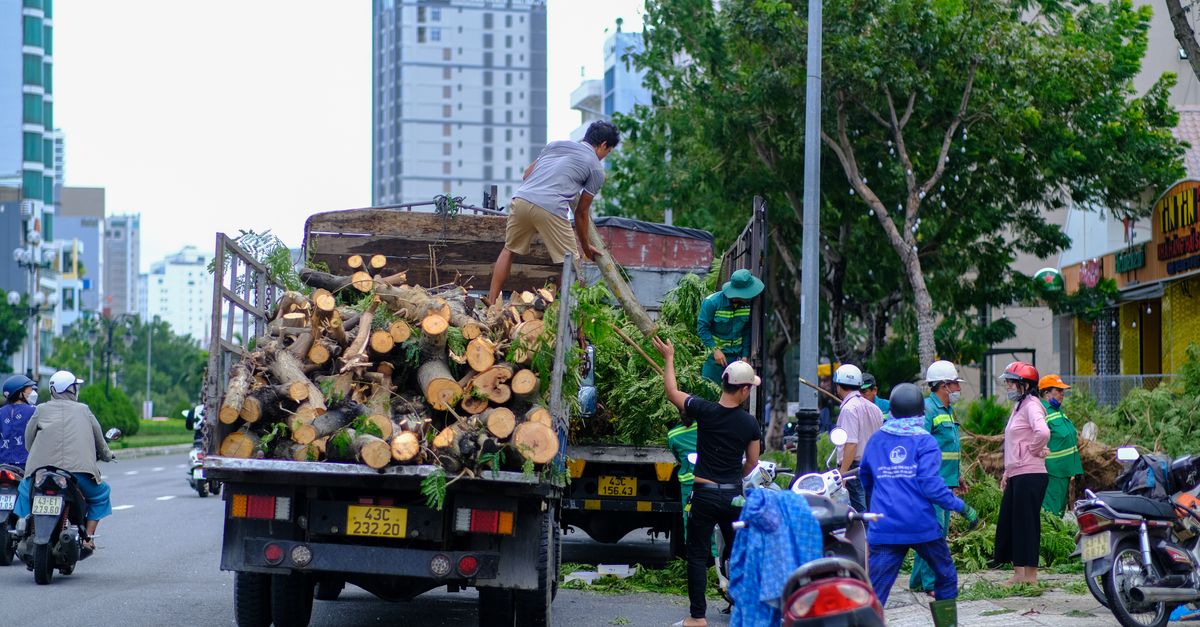
The Importance of Stump Removal After Tree Felling
Table Of Contents
DIY vs Professional Stump Removal
Homeowners often consider DIY methods for stump removal due to the potential cost savings. Simple techniques such as using a chainsaw and digging out the roots can be effective for smaller stumps. Many people appreciate the hands-on experience and take pride in completing the task themselves. However, this approach may require physical effort and time, which can be daunting for those without adequate tools or experience.
Engaging a professional service offers specialised knowledge and equipment that can expedite the removal process. Professionals often complete the task more safely and efficiently, particularly with larger or more complex stumps. While the upfront cost is higher, the long-term benefits include the elimination of stress and the assurance of a thorough job. Homeowners should weigh the convenience and safety of professional stump removal against the goal of personally handling the task.
Pros and Cons of Each Approach
Choosing between DIY and professional stump removal involves weighing various factors. A DIY approach allows individuals to save money and gain hands-on experience. Many find satisfaction in completing the task themselves. However, this method can be labour-intensive and time-consuming. Those without the necessary skills may encounter challenges that can lead to inadequate removal and further problems in the long run.
On the other hand, hiring professionals ensures a more efficient and thorough removal process. Experts come equipped with the right tools and knowledge to handle the job safely, reducing the risk of injury and damage to surrounding areas. The downside often lies in the cost of hiring a service, which can be significantly higher than a DIY attempt. Homeowners must consider their own capabilities and the project's complexity when deciding the best route to take.
Tools and Equipment for Stump Removal
When it comes to stump removal, having the right tools can make a significant difference in the effectiveness and efficiency of the process. A chainsaw is often the first tool that comes to mind; it allows for precise cuts to be made around the stump, facilitating further removal. For those looking to dig out the stump, a shovel and a mattock are indispensable. These tools help break up the soil and remove roots, making the task much more manageable. Additionally, if the stump is particularly stubborn, there are specialised stump grinders available for hire that can quickly eliminate most of the wood down to ground level.
Safety should never be overlooked when tackling a stump removal project. Protective gear is just as critical as the tools themselves. Invest in sturdy gloves to protect hands from splinters and rough materials. Wearing safety goggles is essential to shield eyes from flying debris while cutting or grinding. Steel-toed boots can prevent potential injuries from falling equipment or debris. Understanding the specific requirements for your stump removal project ensures proper preparation and enhances overall safety during the task.
Essential Gear for Safe and Effective Removal
When preparing for stump removal, safety should always be a priority. Essential gear includes protective eyewear to shield eyes from flying debris and thick gloves to protect hands from sharp hazards. Steel-toed boots provide additional protection while working around heavy equipment. A hard hat is advisable, especially if there is a risk of falling branches or tools. Having this protective equipment ensures a safer work environment for anyone involved in the process.
In addition to personal protective gear, the right tools are crucial for an efficient stump removal. A chainsaw is often the primary tool for cutting down the stump to ground level. Depending on the size of the stump, a grinder might be necessary for deeper removal. Hand tools, like axes and pry bars, can assist in loosening the remaining roots. The choice of tools will vary depending on the method of removal, whether manual or mechanical, but having the correct equipment on hand makes for a smoother and more effective operation.
Aftercare Following Stump Removal
After the removal of a stump, the area requires careful attention to ensure a healthy landscape can develop. First, it is crucial to fill the void left by the stump with quality soil or compost. This helps maintain the structural integrity of the ground and prevents future sinkholes. Watering the area regularly keeps the soil moist, promoting the establishment of new plant life. Adding mulch can also help retain moisture and prevent weed growth.
Once the area is prepared, planting new trees, shrubs, or flowers can rejuvenate the space. Selecting the right plants is essential for both aesthetics and compatibility with the remaining landscape. Consider the sunlight and drainage conditions of the site. Monitoring the health of the new plants for the first few weeks ensures they establish roots effectively. Integrating proper aftercare practices guarantees the spot thrives long after the stump has been removed.
Best Practices for Replanting or Landscaping
After stump removal, the area will likely require careful attention to ensure successful replanting or landscaping. It is crucial to assess the soil quality and enrich it with organic matter, which enhances fertility and promotes healthy new growth. Testing the pH may also guide plant selection, as certain plants prefer specific soil conditions. Removing any remaining roots or debris will create a cleaner canvas for new plants.
Selecting the right plants for the location is another essential aspect. Consider factors such as sunlight, moisture, and the existing landscape's aesthetic. Native species often thrive better in local conditions, requiring less maintenance over time. Creating a proper planting plan that distinguishes between larger trees and smaller plants will help maintain balance in the landscape. Regular watering in the initial stages will promote root establishment and encourage longevity in the new garden setup.
FAQS
Why is stump removal important after tree felling?
Stump removal is important because it prevents potential pests and diseases from spreading, eliminates tripping hazards, and allows for more effective landscaping or replanting in the area.
Can I remove a stump myself, or should I hire a professional?
You can choose to remove a stump yourself if you have the right tools and experience, but hiring a professional can ensure the job is done safely and effectively, especially for larger stumps.
What tools do I need for DIY stump removal?
Essential tools for DIY stump removal include a chainsaw, shovel, axe, mattock, and possibly a stump grinder, depending on the size of the stump and your preferred method.
How long does it take for a stump to rot if left in the ground?
The time it takes for a stump to rot can vary widely, but it often takes several years, depending on the tree type, size of the stump, and environmental conditions.
What should I do after the stump is removed?
After stump removal, it's best to fill the hole with soil or mulch, and if you're planning to replant, ensure the soil is well-aerated and enriched for optimal growth.
Related Links
How to Choose the Right Stump Grinding Company in MelbourneComparing DIY Versus Professional Stump Grinding Services
Environmental Benefits of Stump Removal in Urban Gardens
Signs You Need Professional Help for Stump Removal
Top Stump Grinding Equipment for Residential Use
Safety Considerations When Grinding Stumps at Home
Factors Affecting Stump Grinding Costs in Residential Areas