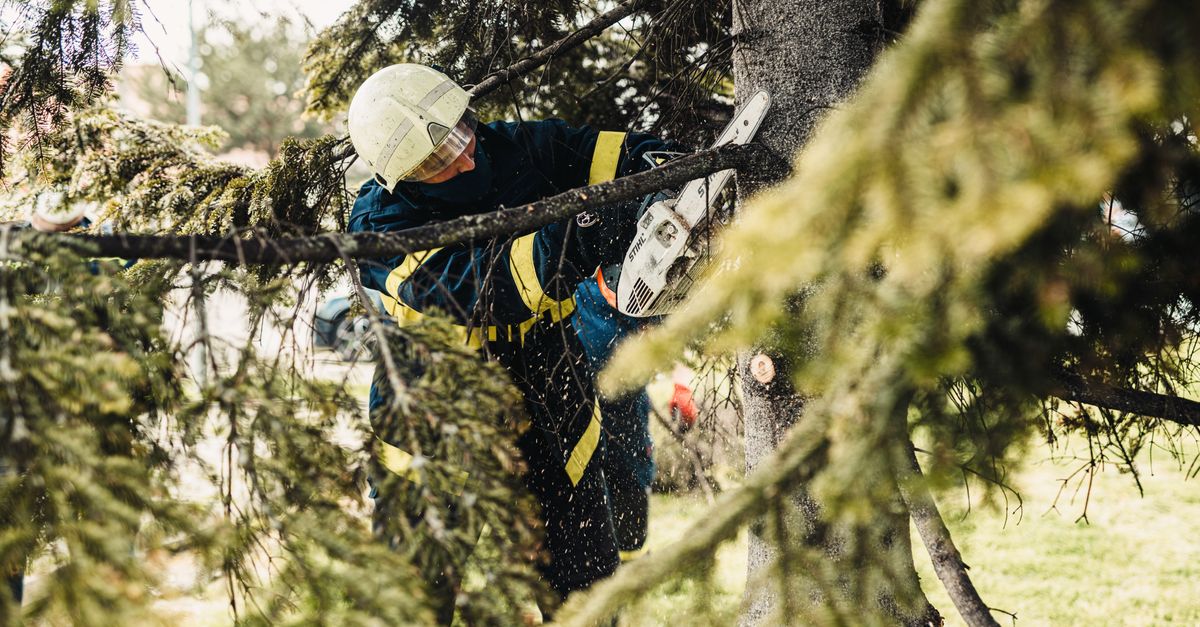
Signs Your Trees Need Immediate Pruning and Attention
Table Of Contents
Observing Changes in Leaf Colour
Observing the foliage of your trees can provide important insights into their overall health. Leaves that display unusual colour changes may indicate underlying issues. For example, a shift to yellow could signal nutrient deficiencies or water stress. Dark spots or browning edges might suggest the presence of disease or pest infestations. Regular checks can help you catch these signs early, potentially saving your tree from further deterioration.
Healthy trees typically maintain vibrant green leaves throughout the growing season. When leaves begin to lose their colour or develop spots, it’s crucial to evaluate their environment and care. Factors such as soil quality, competition for nutrients, and even local pests can contribute to these changes. Identifying and addressing the root cause can enhance your tree's vitality and ensure its longevity.
What Discolouration Indicates
Leaves that shift from their usual vibrant green to shades of yellow or brown can signal underlying health issues within a tree. Such discolouration may stem from nutrient deficiencies, particularly nitrogen, or can indicate water stress due to over or under-watering. Environmental factors, including changes in soil pH, can also contribute to these visible signs, suggesting that immediate attention is needed to determine the cause.
Red or purplish hues appearing on leaves may indicate a different set of problems, such as fungal infections or pest infestations. These colours often serve as a warning that a tree is weakened and susceptible to further damage. Identifying these changes early is crucial, as it allows for timely intervention to restore the health of the tree and prevent further deterioration.
Assessing Tree Canopy Density
Canopy density serves as a crucial indicator of tree health and vitality. Trees with a robust canopy typically enjoy optimal sunlight exposure, facilitating efficient photosynthesis. However, when the foliage becomes overly dense, it can hinder air circulation and block sunlight from reaching the lower branches. This can lead to issues such as fungal infections and dieback in less exposed areas.
Moreover, an excessively dense canopy may also cause structural concerns. Branches that grow too close together can become weak and susceptible to wind damage. If the tree is located near buildings or power lines, the risk of falling branches increases. Tree owners should regularly assess canopy density to ensure the health of the tree and mitigate any potential hazards.
Impacts of Overly Dense Foliage
Dense foliage can block sunlight from reaching the lower branches and the surrounding plants, stifling their growth. This lack of light can create an unhealthy environment, promoting disease and pest infestations in both the tree and nearby vegetation. As the tree struggles to maintain its health, the overall ecosystem may suffer, leading to a cascade of problems.
Moreover, an overcrowded canopy can increase the likelihood of branches rubbing against one another, resulting in physical damage. This friction can create wounds that leave the tree vulnerable to pathogens. High density not only compromises the tree’s structural integrity but can also create safety concerns, especially during storms when heavy branches may break and fall unexpectedly.
Evaluating Safety Hazards
Trees that grow unchecked can pose significant safety hazards. Overhanging branches may end up obstructing pathways, driveways, or utility lines. The risk of falling limbs increases during severe weather conditions, creating a dangerous situation for both people and property. Regular observation is essential to identify potential risks associated with tree growth, particularly in populated areas.
Weak or decayed branches can be especially hazardous. When the structural integrity of a tree is compromised, the likelihood of breakage escalates, leading to dangerous situations for anyone nearby. It is crucial to meticulously inspect trees for signs of decay or disease. Being proactive in tree maintenance not only enhances safety but also promotes the longevity and health of the tree itself.
Risks Posed by Unchecked Growth
Uncontrolled tree growth can lead to a variety of safety issues, particularly when branches extend over pathways, roads, or into the vicinity of power lines. Weakened or damaged limbs can become a hazard during storms or high winds, posing risks to both people and property. A well-maintained tree has healthier branches that are less likely to snap or fall, significantly reducing the likelihood of accidents or injuries.
Another concern arises from the potential damage to nearby structures. As trees grow unchecked, their roots may intrude into foundations or sewer lines, causing costly repairs. In addition, branches that scrape against buildings can lead to wear and tear, eventually compromising the integrity of roofs and walls. Ensuring regular pruning helps mitigate these risks and promotes the overall health and stability of your trees.
FAQS
How can I tell if my tree needs pruning?
Signs that your tree needs pruning include discolouration of leaves, overly dense foliage, and signs of safety hazards such as branches overhanging structures or pathways.
What does leaf discolouration indicate about my tree's health?
Leaf discolouration can indicate a range of issues such as nutrient deficiencies, disease, or stress from environmental factors. Monitoring these changes is crucial for the tree's overall health.
What problems can arise from a dense tree canopy?
An overly dense tree canopy can block sunlight from reaching lower branches, restrict air circulation, and increase the risk of disease. It can also pose a safety hazard by obstructing views or overhanging structures.
How do I assess if my tree poses a safety hazard?
To assess safety hazards, look for branches that are cracked, dead, or overhanging buildings and pathways. Also, check for tree instability, signs of disease, or any leaning that could affect its integrity.
When is the best time to prune my trees?
The best time to prune most trees is during their dormant season, typically in late winter or early spring. However, if you notice immediate issues such as safety hazards or severe discolouration, it may be necessary to prune at any time of the year.
Related Links
The Role of Tree Pruning in Promoting Urban BiodiversityA Homeowner's Guide to Maintaining Healthy Trees Through Pruning
Understanding the Different Pruning Methods for Urban Trees
The Impact of Improper Tree Pruning on Tree Health
The Benefits of Regular Tree Trimming for Property Value