How to Choose the Right Time for Tree Trimming in Your Backyard
Table Of Contents
Safety Precautions for Tree Trimming
Before carrying out any tree trimming, it’s essential to assess the area for potential hazards. Look for overhead power lines, nearby structures, and the presence of hazardous terrain. Ensure that you have a clear workspace and an escape route in case of emergencies. Inform others in the vicinity about your plans to trim the tree, especially if you are using power tools or working at height.
Wearing appropriate safety gear is vital to protect yourself during the trimming process. A hard hat can shield your head from falling branches while safety goggles will safeguard your eyes from debris. Sturdy gloves can provide grip and prevent cuts, while steel-toed boots offer essential protection for your feet. In addition, consider using hearing protection if you’re operating loud equipment. Proper preparation is key to minimising risks.
Essential Gear and Equipment
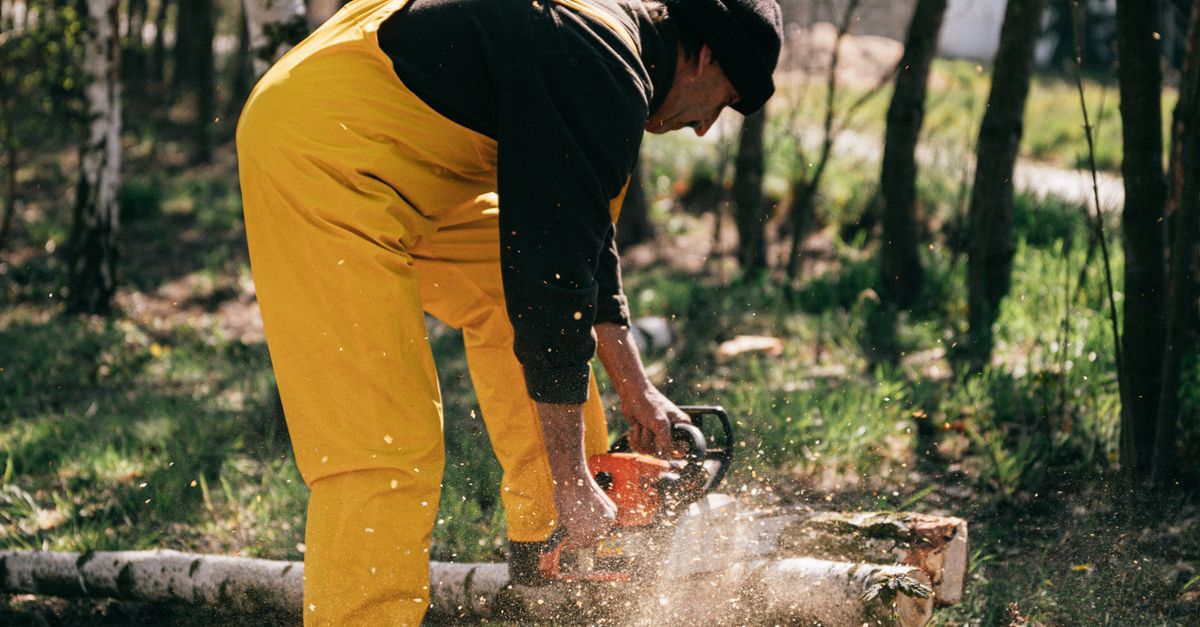
Having the right tools for tree trimming is crucial for safety and efficiency. A set of sharp pruning shears is essential for making clean cuts on smaller branches. A handsaw or a pole saw may be needed for larger limbs, while a chainsaw is necessary for more significant tree work. Safety gear, including goggles, gloves, and a hard hat, protects against falling debris and sharp tools. Always inspect your equipment before use to ensure everything is in proper working condition.
Additionally, consider investing in a sturdy ladder if you need to reach higher branches. Some jobs may require a harness or safety rope, especially for larger trees. A bucket or tarpaulin can help catch debris, making the cleanup process easier. Having a first aid kit on hand is a prudent precaution. Proper organisation and preparation with your gear will facilitate a safer and more effective trimming experience.
Timing Your Trimming for Optimal Health
The best timing for tree trimming directly influences the overall health and growth of your trees. In general, late winter to early spring is considered optimal, as trees enter their growing season. Pruning during this period allows for new growth without the stress of competing with dormant buds. Additionally, observing the specific species of your trees is important. Some species may require different timing based on their growth cycles.
Seasonality plays a crucial role in the health of your trees. Trimming during their dormant period can be beneficial since this is when trees expend less energy on growth. Reducing the canopy at this time can improve sunlight penetration and air circulation in the tree. Care should be taken to avoid heavy pruning during the active growing season, as this can lead to increased vulnerability to pests and diseases.
The Role of Dormancy in Tree Care
Tree dormancy presents a critical phase in a tree's life cycle, offering a prime opportunity for trimming. During the cooler months, many deciduous trees shed their leaves and enter a period of rest, conserving energy. This state allows for minimal stress on the tree when undergoing maintenance. Trimming while trees are dormant reduces the risk of disease, as pathogens are less active during colder weather, promoting healthier regrowth once spring arrives.
In particular, pruning during this period encourages vigorous growth in the following season. Removing dead, damaged, or crossing branches not only helps maintain the shape and strength of the tree but also enhances air circulation and light penetration within the canopy. Correct timing ensures trees recover swiftly, equipping them to flourish with renewed vitality as warmer weather returns.
Municipal Guidelines and Regulations
Before undertaking any tree trimming activities, it is essential to familiarise yourself with local regulations that govern tree care. Many municipalities have specific guidelines that outline what can and cannot be done concerning tree maintenance. These regulations may include restrictions on the types of trees that can be trimmed, their size, and even the time of year when trimming is permitted. Understanding these rules helps ensure compliance and protects you from potential fines or penalties.
Additionally, certain areas may have tree preservation laws aimed at protecting native species or maintaining the character of the neighbourhood. These laws often require permits for tree removal or significant trimming. Engaging with local councils or community groups can provide you with valuable information on the requirements you must meet before starting any tree work. It is important to adhere to these regulations, as they support both environmental sustainability and community aesthetics.
Understanding Local Tree Preservation Laws
Local tree preservation laws are crucial for maintaining urban greenery. These regulations often protect certain species or sizes of trees within a municipality, making it essential for homeowners to familiarise themselves with the specific guidelines in their area. Before undertaking any trimming or removal, it is advisable to check with local authorities or your council to ensure compliance. Ignorance of these laws can result in hefty fines or legal repercussions.
In some regions, trees may be classified as heritage or protected, limiting the type of work that can be carried out without a permit. Additionally, these laws may dictate specific times of the year when trimming can occur, often aligning with ecological considerations to avoid damaging wildlife habitats. Adhering to these guidelines not only helps preserve the environment but also promotes community responsibility and respect for local biodiversity.
FAQS
When is the best time to trim trees in my backyard?
The best time to trim trees typically falls during their dormant season, which is usually in late autumn or winter. This helps promote healthy growth in the spring.
What safety precautions should I take when trimming trees?
Always wear protective gear such as gloves, goggles, and a hard hat. Ensure you use the right equipment and check for any power lines nearby to avoid accidents.
Do I need special equipment for tree trimming?
Yes, essential gear includes hand pruners, loppers, saws, and possibly a chainsaw for larger branches. It’s also helpful to have a sturdy ladder and safety harness if you're working at heights.
Are there any municipal regulations I should consider before trimming my trees?
Yes, many local councils have guidelines regarding tree trimming, especially if the trees are protected species or located in certain zones. It’s important to check with your local council before proceeding.
How does the role of dormancy affect tree trimming?
Trimming trees during their dormancy reduces stress on the tree and minimises the risk of disease. It also allows for better healing and more vigorous growth in the spring when the tree reawakens.
Related Links
A Homeowner's Guide to Maintaining Healthy Trees Through PruningEssential Techniques for Effective Tree Pruning in Melbourne Gardens
Understanding the Different Pruning Methods for Urban Trees
The Impact of Improper Tree Pruning on Tree Health
The Benefits of Regular Tree Trimming for Property Value
Safety Considerations When Pruning Trees in Residential Spaces
Best Practices for Pruning Fruit Trees in Residential Areas